






The Italian Bob Hairstyle: A Professional Guide to Cutting and Styling
September 3, 2024
CONTENT
-
Why the Italian Bob Hairstyle Is a Key Salon Trend
The Italian bob hairstyle is experiencing a significant revival, transitioning from a social media curiosity to a highly requested look within salons. Its widespread popularity (often seen under the #ItalianBob hashtag) means clients are now actively seeking this specific, chic silhouette.
For salon professionals, this trend presents a valuable opportunity. Unlike more ambiguous viral cuts, the Italian bob is defined by its structure and sophistication. It allows stylists to showcase their technical precision whilst offering clients a look that is both modern and timelessly elegant. This guide covers the technical details you need to consult, cut, and style this look with confidence.
Ver esta publicación en InstagramWhat Is the Italian Bob Hairstyle?
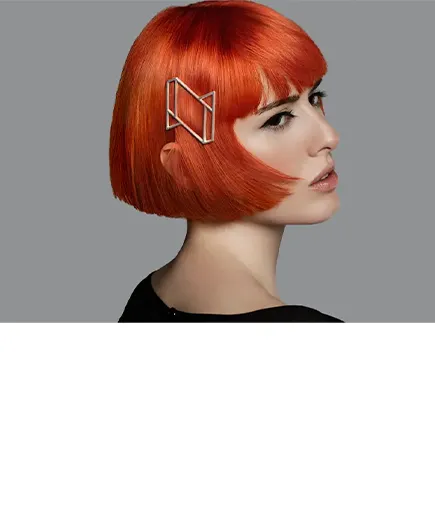
An Italian bob is a classic and sophisticated short hairstyle that originated in Italy. It is a chin-length, blunt-cut bob that typically features minimal layering. What sets the Italian bob apart from other bob styles is its sleek and polished appearance. Unlike some other bob variations, the Italian bob often maintains a uniform length with blunt ends, resulting in a clean and structured look.
How the Italian Bob Hairstyle Differs: A Professional Comparison
While the Italian Bob, Classic Bob, and British Bob are all stylish choices, they differ significantly in terms of length, structure, texture, and styling options. The Italian bob is known for its blunt base with minimal layering, while the classic bob offers more versatility and the British Bob focuses on texture. The choice between these iconic styles will depend on your client’s style preferences.
Feature
Italian Bob
Classic Bob
British Bob
Length and Structure
The Italian bob is typically cut to a uniform length, often at chin level. The focus is on creating sharp lines and a polished finish. Minimal layering is a hallmark of the Italian bob, resulting in a clean and structured look.
On the other hand, the classic bob offers more versatility in terms of length. While it can also be chin-length, classic bobs can vary from chin-length to slightly below the jawline. Classic bobs often incorporate more layering, resulting in a softer and less structured appearance.
Often chin-length, this cut is defined by texture rather than a blunt line. It relies on internal or ‘invisible’ layers and point-cut ends to create an ‘undone’ silhouette and remove weight, often achieving a lighter, more shattered perimeter.
Texture and Styling
The Italian bob tends to have a sleek and smooth texture. It is often straightened to achieve the polished finish that is characteristic of this style. The ends are typically blunt and uniform, contributing to its sharp look.
Classic bobs can vary in texture, with some featuring more texture and movement due to the layering. This style can be worn sleek and straight, but it also allows for more versatile styling, including curls and waves.
This cut is designed to enhance natural texture and is ideally styled to look ‘lived-in’ or air-dried. It is often paired with a soft, ‘gamine’ fringe and styled with matte texture sprays (like Style Masters™ Creator Memory Spray™) rather than shine products.
Face Shape and Versatility
The Italian bob works wonders on round and oval faces but can be worn by anyone that wants to add the perception of angles and structure. The hair can be pushed back behind the ear on one side to expose the cheekbone and really accentuate the face shape. Square face shapes may wish to avoid this cut as it will draw attention to the jaw area, which tends to be wider.
The classic bob’s versatility in terms of length and texture makes it adaptable to all face shapes and personal preferences. This is because of the different variations, which make it universally flattering. Customize by going for an A-line bob, which suits heart-shaped and square faces or go super short for a bold look that looks amazing on an oval face.
Excellent for clients with natural waves or those seeking a modern, low-effort style. The soft, textured lines are highly effective at softening angular (square, heart) face shapes and add volume to fine hair.
Maintenance
The Italian bob is generally low-maintenance in terms of styling, thanks to its sleek and polished finish. Regular trims are essential to maintain the sharp lines and blunt ends.
Classic bobs may require more styling effort if you opt for textured or wavy variations. However, they offer flexibility in styling, allowing your client to change their look more easily.
Low daily styling effort, as the cut provides the shape. However, it requires regular salon visits (every 8-10 weeks) to maintain the internal texturising and prevent the shape from becoming bulky or losing its movement.
How to Create the Perfect Italian Bob
- Consultation: Take into account factors such as your client’s unique face shape, hair texture, and lifestyle to ensure a successful look.
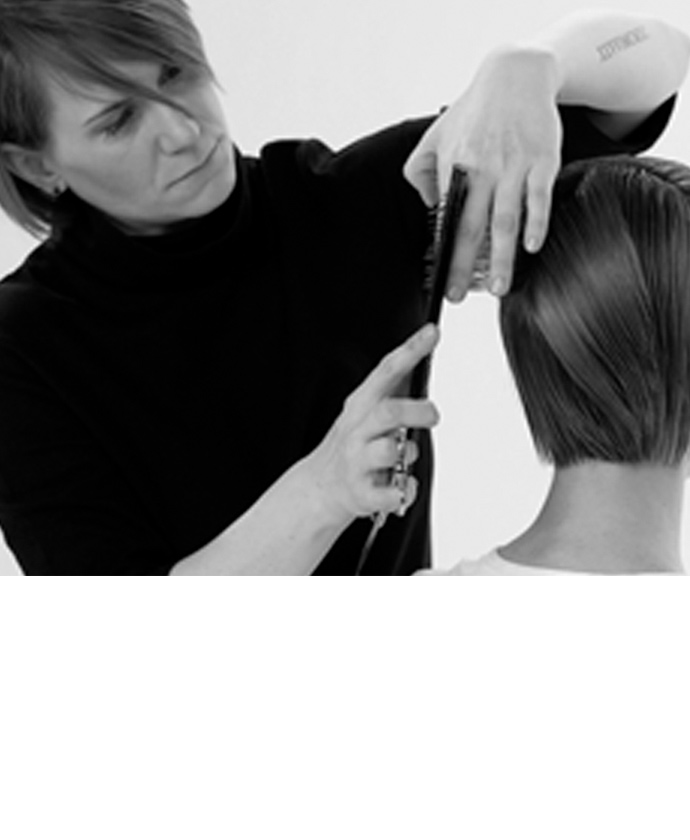
- Precision Cut: The key to achieving the distinctive sharpness of the Italian bob lies in minimal layering and a blunt base. Take clean sections and cut the hair as close to the skin as possible to avoid elevation.
- Blunt Ends: Blunt, rolled under ends are a hallmark of the Italian bob, but it can also be worn with subtle, natural movement.
- Straightening: Post-cut, the hair is typically straightened to achieve the sleek and polished finish that is emblematic of the Italian bob.
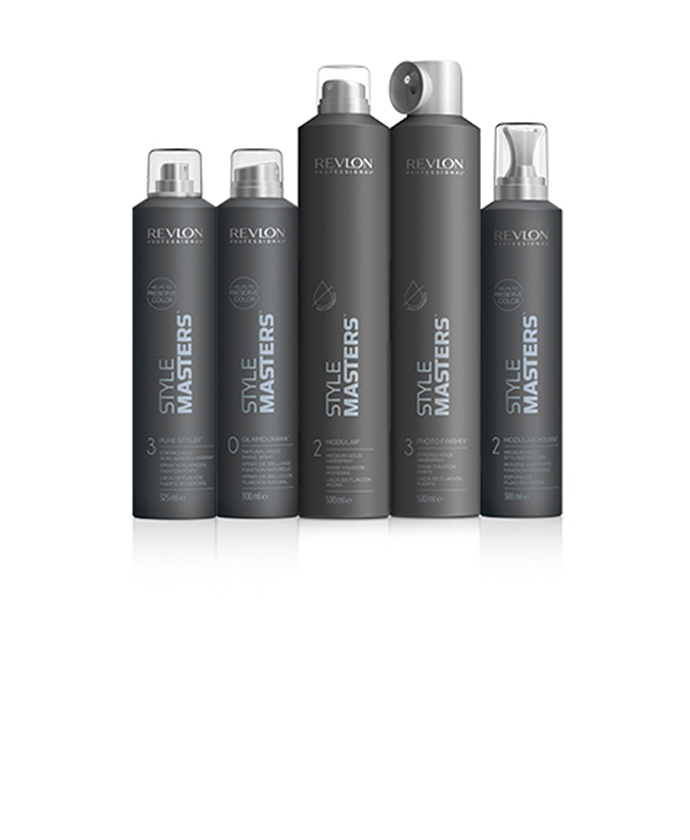
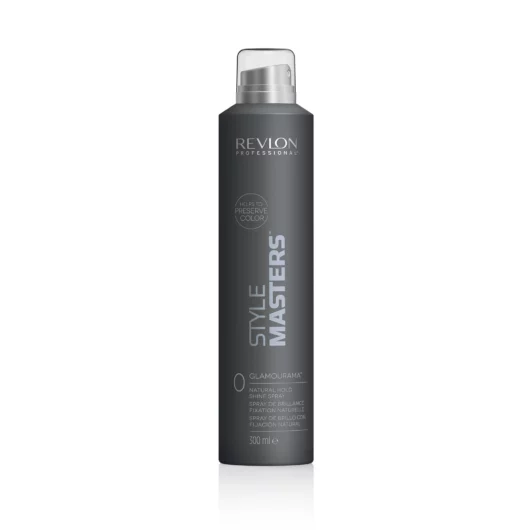
- Finishing Touches: Enhance shine and provide the desired level of hold with Style Masters™ Glamourama to add a touch of glamor while preserving color to ensure your client’s Italian bob looks flawless.
Styling and Maintenance Tips
To keep an Italian bob looking its best, consider the following:
- Regular Trims: Book your clients in for trims every 6-12 weeks to maintain the clean lines and sharp ends of their Italian bob.
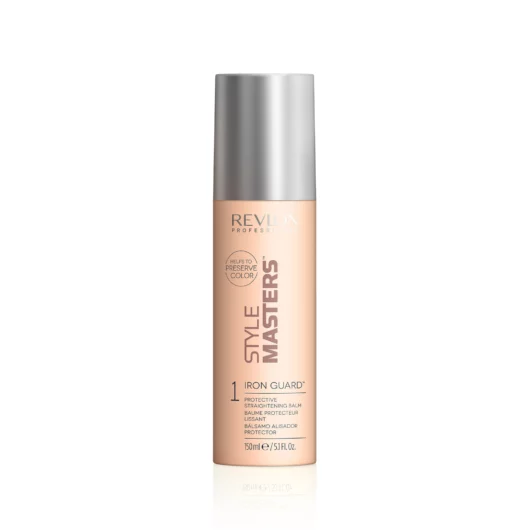
- Heat Protection: If your client wishes to use heat styling tools, recommend a heat protector such as Style Masters™ Smooth Iron Guard™ to safeguard their hair from damage.
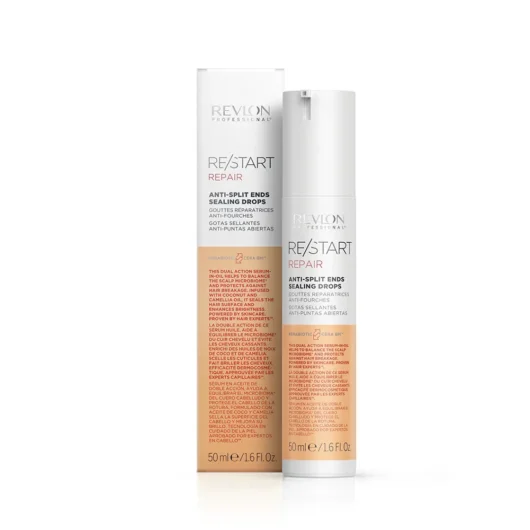
- Silky Shine: Enhance the glossiness of your client’s Italian bob by recommending at-home treatments to improve the client’s condition. Suggest products, such as RE/START™ Recovery Anti-Split Ends Sealing Drops, to seal the hair’s surface and enhance shine.
- Minimal Products: This look should be easy to style. A little blow-drying with a diffuser or some straightening, a little styling cream, and the look is ready! Avoid excessive use of heavy styling products, which can weigh down your client’s hair.
- Night Care: Advise your clients to sleep on a silk or satin pillowcase to avoid tangles, prevent frizz, and preserve the integrity of their Italian bob while they sleep.
Ver esta publicación en InstagramVer esta publicación en InstagramFrequently Asked Questions for Professionals
What is the main difference between an Italian Bob and a British Bob?
This is a key distinction. The primary difference is the finish and texture. The Italian Bob Hairstyle is polished, structured, and designed for a sleek, high-shine, voluminous finish. The British Bob is its ‘undone’ counterpart; it’s designed with internal layers and textured ends to create an effortless, ‘lived-in’ look that enhances natural movement. Think: Italian = ‘Polished,’ British = ‘Textured.’
What hair types are best suited for an Italian Bob hairstyle?
The Italian Bob’s blunt structure is exceptionally effective at making fine to medium hair appear fuller and thicker. It is ideally suited for clients with straight or wavy hair (Type 1c-2c), as this texture best showcases the sharp perimeter. It can be adapted for curly hair, but this will create a different, ’90s-inspired silhouette and requires expertise in dry-cutting to manage the shape.
What colour techniques complement the Italian Bob?
Because the Italian Bob is a strong, structural cut, it pairs beautifully with colour that enhances shine and solidarity. High-gloss, single-process colours (like rich brunettes, coppers, or clean platinums) look particularly expensive. For dimension, subtle, high-end balayage or ‘babylights’ that work with the solid shape are preferable to high-contrast techniques that might ‘break’ the clean line.
How should I advise clients on at-home maintenance for their Italian Bob?
Advise clients that the ‘style is in the cut,’ but the polish comes from at-home care. For the sleek look, recommend a high-quality heat protectant, such as Style Masters™ Smooth Iron Guard™, before blow-drying. The most crucial advice, however, is pre-booking their next appointment. This cut’s power is in its sharp line, which must be maintained with a regular trim every 6-8 weeks.
Now that you have been inspired by the Italian bob haircut, it’s time to continue expanding your knowledge and expertise! Check out Revlon Professional’s 24/7 e-learning platform, #RevlonProAlwaysOn (for clients only), and don’t forget that you can order pro products to style sophisticated looks from our online shop, RevlonProshop.


Related articles
Keep on reading if you’ve enjoyed this one!
July 4, 2023
8 Balayage Ideas That’ll Spice Up Your Bob Haircut
October 11, 2024

Unlock Your Style: Balayage Highlights Tailored to Every Face Shape

June 19, 2023
5 Short Hair Ideas for Women
September 2, 2024
